Hedge Trimming in Walthamstow

Hedge trimming in Walthamstow is about keeping boundary planting tidy, balanced and healthy while preserving the shape that suits the garden. We provide a practical service for routine hedge reduction, seasonal cutting and the careful finishing work that leaves lines clear without stripping away too much growth. For homes, shared gardens and managed outdoor spaces, the aim is a neat result that fits the site rather than an over-clipped look.
Different hedges need different treatment, so our work can be adapted to evergreen screens, formal front boundaries and mixed planting that has become unruly over time. Good trimming supports both appearance and plant health by removing overgrowth in a controlled way. It also helps maintain light, access and visibility where a hedge is doing more than one job around a property.
Alongside the cutting itself, we can discuss the condition of the hedge, how much growth needs removing and whether a gradual reduction is more suitable than a heavy cutback. If you are comparing options, a short review of the hedge’s height, thickness and access points is usually enough to define the right approach. You can request a quotation when you are ready.
Regular Hedge Maintenance
Regular hedge maintenance is the simplest way to prevent a tidy boundary from turning into a larger job. Growth that is trimmed little and often is usually easier to shape than growth left for a long interval, and it can be managed with cleaner edges and less disturbance to the garden. We can work to keep the top level, sides straight and front profile even, depending on the species and the finished look you want.
Some hedges benefit from attention at set times of year, while others are better dealt with once the main flush of growth has settled. The right pattern depends on how fast the hedge grows, whether it is ornamental or functional, and whether the site needs stronger screening during the season. If you want a neat frontage or a well-ordered rear boundary, regular trimming can keep the whole line under control.
Hedge trimming is often paired with seasonal garden care, especially where the hedge forms part of the wider planting scheme. In those cases, the work is best planned so it complements paths, beds and lawns rather than dominating them. A consistent finish can make the rest of the garden easier to manage and helps avoid the patchy appearance that follows uneven cutting.
Shaping, Reduction and Height Control

Not every hedge needs the same finish. Some need light shaping to sharpen the outline, while others need a more significant reduction to restore a manageable height or width. We can assess whether the hedge should be trimmed back in stages or brought into a cleaner form in one visit, depending on its type, condition and how much growth has been allowed to build up.
Height control matters when a hedge begins to shade windows, overhang paths or create an uneven line from one end to the other. A careful reduction should keep the hedge looking intentional, not hacked back, and that often means working from the visible features of the plant rather than following a fixed formula. The best result normally balances the client’s preference with what the hedge can reasonably support.
For hedges that have become broad as well as tall, trimming can be combined with a gradual narrowing of the sides so the planting does not sprawl into surrounding space. Garden maintenance can help keep this work coordinated with other outdoor tasks, especially where several parts of the garden are competing for the same access or storage space.
What Affects the Work
Several practical factors influence the way hedge trimming is approached. The species, density, age and recent growth all affect how far the hedge can be cut back without leaving thin patches. Access also matters: a hedge close to a wall, fence or narrow side return may need more careful handling than a free-standing run with open sides. These details shape the method and the time required.
It also helps to know whether the hedge is mainly decorative, mainly functional, or both. A decorative hedge may need a finer finish and a stronger emphasis on symmetry, while a screening hedge may be trimmed to preserve privacy and usable height. When there is a mixed border underneath, the work may need extra care to avoid damaging nearby plants. Measured cutting is usually preferable to rushing the job.
Pricing and quotes can be discussed once the main features of the hedge are clear, because the scale of the work and the level of access usually drive the overall shape of the quotation. If you already know roughly what needs trimming, that is a good starting point. If not, a brief description is still useful and can be refined before the work is booked.
Clean Edges and Finishing

A good hedge job does not stop when the main cutting is done. Finishing work makes the difference between a hedge that is simply shortened and one that looks properly maintained. That includes refining the line, checking the top for evenness, removing stray growth and making sure the visual edge suits the rest of the garden. The aim is a tidy result that looks deliberate from both near and far.
Where hedges meet paths, drives or lawn edges, the finish can affect how ordered the whole property feels. Straightening the boundary line often improves the appearance of the garden as a whole, especially if the hedge frames a front entrance or creates a strong side boundary. In formal layouts, neat edges are especially important because the hedge becomes part of the garden’s structure rather than just a green barrier.
Garden clearance may be relevant when the hedge sits within an area that also contains cuttings, dense growth or other accumulated material. In that case, trimming and clearing can be planned together so the site is left easier to use. This is particularly helpful where the hedge is only one element in a broader reset of an outdoor space.
Hedge Trimming for Different Garden Styles
Hedges can serve very different roles depending on the garden style. A compact front hedge may need crisp lines and a level top, while a long rear boundary might need steadier reduction and a more natural finish. Informal gardens often suit softer shaping, whereas structured gardens usually need sharper geometry and closer attention to symmetry. The right result depends on how the hedge sits within the whole layout.
For properties with mixed planting, the hedge may need to be trimmed so it complements shrubs, lawn edges and seasonal borders rather than overpowering them. Some customers want privacy and enclosure, while others want light, definition and a manageable boundary. Both can be achieved through selective trimming rather than simply cutting everything to the same size. Careful planning before cutting helps avoid unnecessary regrowth problems later.
If the hedge forms part of a larger outdoor project, landscape gardening can be a useful reference point because it places the hedge within the wider arrangement of the garden. That matters when deciding whether the hedge should be a strong visual feature, a background screen or a boundary that simply supports the space around it.
About Walthamstow
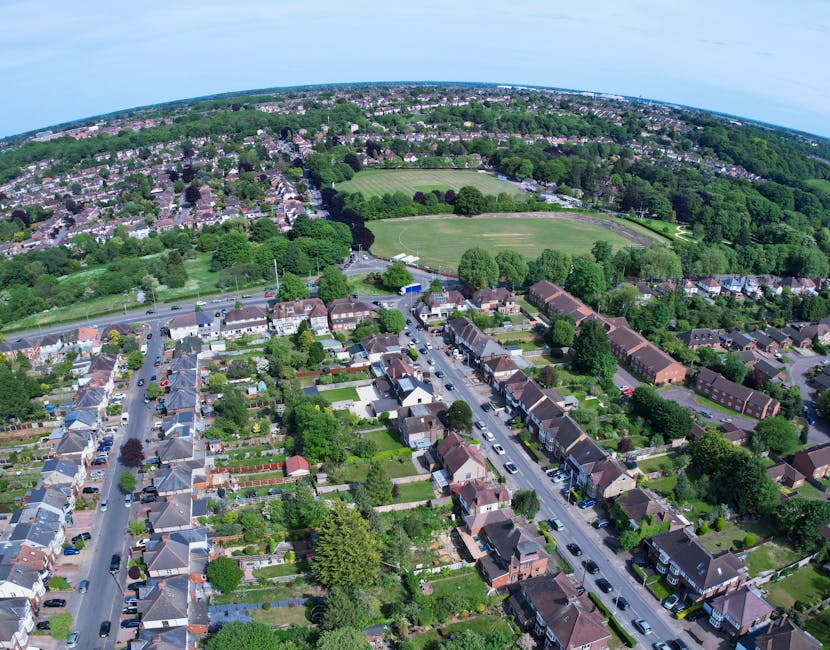
Walthamstow is a district in the London Borough of Waltham Forest in northeast London, known for its mix of residential streets, older village traces and later urban growth. Its historic core developed around Walthamstow Village, where narrow lanes, older buildings and the parish church area preserve a more intimate scale than the surrounding main roads. Over time the district expanded with rail links and suburban housing, giving it a layered character that combines Victorian terraces, interwar streets and newer developments. This variety is one reason the area feels both local and metropolitan, with everyday life shaped by a network of neighbourhood centres rather than a single dominant focus. The district has a strong identity through its markets, independent shops and cultural venues, as well as its green spaces. Lloyd Park is one of the best known open areas, while the William Morris Gallery in the former Water House connects the locality with the Arts and Crafts movement and the life of William Morris, who lived in the area during part of his childhood. The surrounding streets also reflect changing phases of London growth, from older village patterns to dense residential development. Walthamstow Wetlands, created from former reservoirs, has become a major open landscape and wildlife site, showing how industrial infrastructure can take on a new public role. Together these features give Walthamstow a distinct sense of place, with history, housing and open space closely interwoven.
Removing Overgrowth and Restoring Control

Some hedges do not simply need a tidy cut; they need a proper reset. When growth has pushed outwards, become heavy at the top or started to lose its shape altogether, the work can involve restoring control without creating bare sections. This often takes more judgement than a standard trim, because the aim is to improve structure while keeping the hedge viable for future seasons.
Restorative trimming may include gradual reduction, selective cutting and closer attention to where new shoots are likely to form. In dense hedges, this can help the plant keep enough leaf area to recover well. In thinner hedges, a lighter approach may be more appropriate. The method should suit the plant rather than forcing every hedge into the same pattern, which is why experienced handling matters so much on overgrown boundaries.
Tree lopping and removal is not the same service as hedge trimming, but the two can become relevant on mixed borders where hedging sits alongside self-seeded trees or taller woody growth. Where those elements interfere with the hedge line, it is useful to separate the work carefully so each plant is dealt with appropriately and the overall boundary remains coherent.
H3: Choosing the Right Approach
Before any cutting begins, it helps to think about the main outcome you want from the hedge. Is it mainly for privacy, for boundary definition, for decoration, or for keeping access clear? Those answers shape the way we trim, how much is removed and how much shape is retained. A hedge that must screen a garden all year needs a different approach from a hedge that mainly frames a path or driveway.
Cutting, Not Guessing
In practice, the most successful work is usually the result of observation rather than assumption. The hedge’s growth pattern, density and health indicate how far it can reasonably be cut. If there are obvious weak sections, the cutting plan should protect them. If the hedge is healthy and vigorous, the work can often be slightly more confident while still keeping the finish tidy and proportionate.
For larger gardens or properties with multiple boundary runs, landscaping can be a sensible broader context because it helps align hedge care with the rest of the outdoor layout. That is especially useful if paths, beds or structures are being altered alongside the hedge. The objective is always the same: a practical result that looks intentional and suits the site.
Debris, Access and Site Care
Hedge work always generates cuttings, and the handling of those cuttings is part of the service rather than an afterthought. A neat finish depends on clearing away material so the garden can be used again without obstruction. Where access is awkward, for example through a side gate or along a narrow run, planning the movement of tools and waste matters just as much as the trimming itself. Good site care reduces disruption.
Access considerations can also influence the order of work. Some hedges are easier to tackle from one side first, while others need a section-by-section approach so the cuttings do not interfere with visibility or movement. If the hedge is near a delicate border, the work may be paced carefully to avoid knocking back nearby plants. The practical side of trimming is often what separates a decent result from a cleaner one.
Recycling and sustainability is a useful topic where cuttings and green waste need to be considered in a responsible way. It is not only about what comes off the hedge, but how the material is handled afterwards. A well-managed clear-up helps keep the garden tidy and supports a more orderly overall service.
Getting Ready for a Quotation

To prepare a quotation, it is usually enough to describe the hedge type, roughly how long the run is and whether the main need is trimming, reduction or a more controlled reshaping. If access is limited, mention that as well. These details help define the work clearly without making the process complicated. Where several hedges are involved, it helps to separate them so each section can be considered properly.
Photographs can be useful when the hedge is tall, uneven or partly hidden by other planting, because they show the profile more clearly than a short written description. If the hedge forms part of a boundary shared with another property, it is also sensible to say which side is to be worked on and whether both faces are visible. This keeps the request focused and avoids misunderstandings before the visit or estimate.
If you would like to move ahead, contact us and send the basic details for a quotation. We can then review the trimming required and discuss the next step in a straightforward way. For broader details about our range of outdoor services, our services overview is a useful place to start.